
Ingredients
The Fish:
- Ketiakh: 3 to 4 pieces of smoked fish (Ethmalose/Bonga), cleaned, skinless and boneless.
- Guedj: A small piece of salted dried fish (for that authentic “umami” flavor).
“Nokoss” (spice paste):
- Onions: 2 large (chopped).
- Garlic: 1 whole head (peeled pods).
- Green pepper: ½ pepper.
- Chili pepper: 1 to 2 small habanero peppers (according to your taste).
- Seasoning: Salt and black pepper.
Rice and Vegetables:
- Rice: 1 kg of broken rice (fragrant rice type), washed well.
- Oil: 150ml.
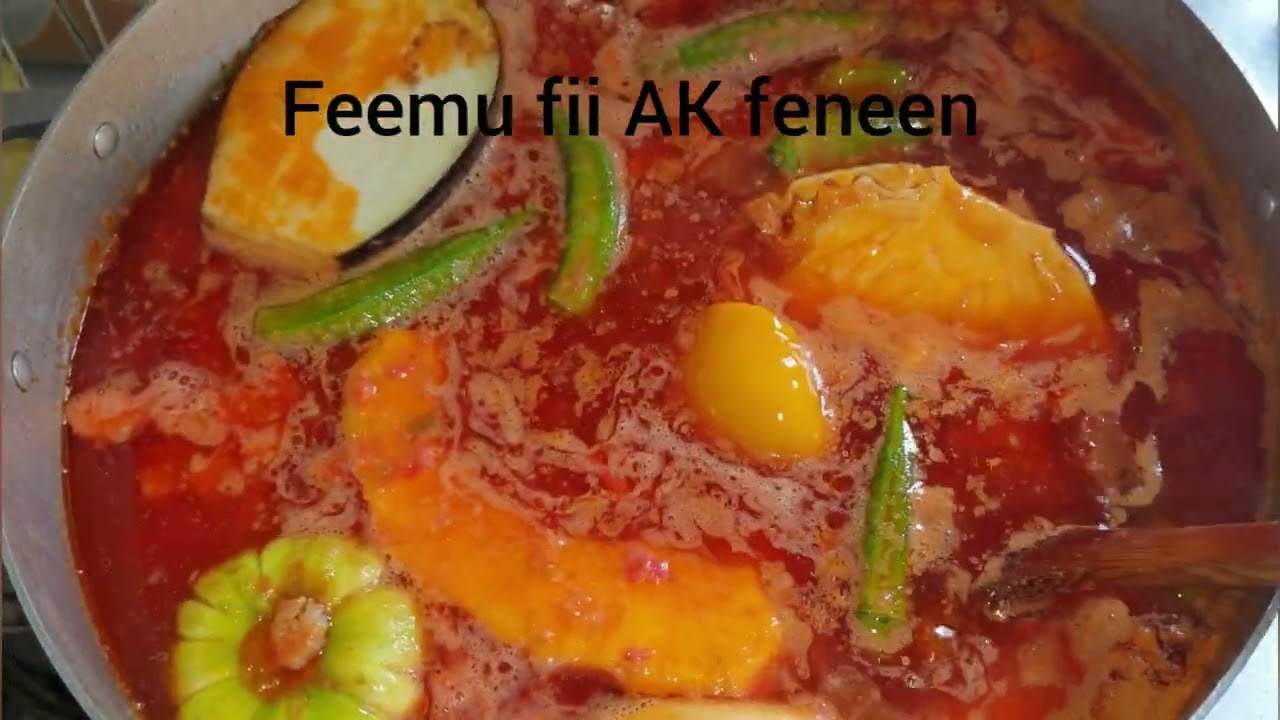
- Vegetables: Eggplant, carrots, cassava and white cabbage.
- Optional: Okra (lalo) for texture.
Instructions
1. Prepare the Nokoss
- In a mortar or blender, mix thegarlic, the green pepper, the chili pepper and half of onions with salt and pepper.
- Pound or mix until you obtain a thick and fragrant paste.
2. Sauté and simmer
- Heat itoil in a heavy-bottomed pot. Add the rest of the onions and fry them until they are lightly browned.
- Add the Guedj (salted fish) and the paste Nokoss. Stir for 2 to 3 minutes to release the flavors.
- Add the pieces of Ketiakh cleaned and stir gently.
- Pour approximately 1.5 to 2 liters of water.
- Add your vegetables (carrots, eggplant, cassava, cabbage). Bring to a boil, then reduce heat and simmer until vegetables are tender (about 25 minutes).
3. Rice
- Once the vegetables are cooked, remove them from the pot with a little broth and set aside.
- Taste the broth and adjust the salt.
- Add the washed rice in the boiling broth. The water should reach approximately 1 to 2 cm above the level of the rice.
- Cover tightly, reduce heat to low and let steam for about 20 to 25 minutes. À mi-cuisson, retournez délicatement le riz pour assurer une cuisson uniforme.
4. Service
- Arrange the rice in a large dish.
- Arrange the smoked fish and cooked vegetables on top.
- Serve with a side dish of Soul (condiment made from tamarind or hibiscus) if you wish.
Chef tip: Properly cleaning the Ketiakh is essential — make sure to remove as many small bones and charred skin as possible before adding it to the pot!