
Ingredients
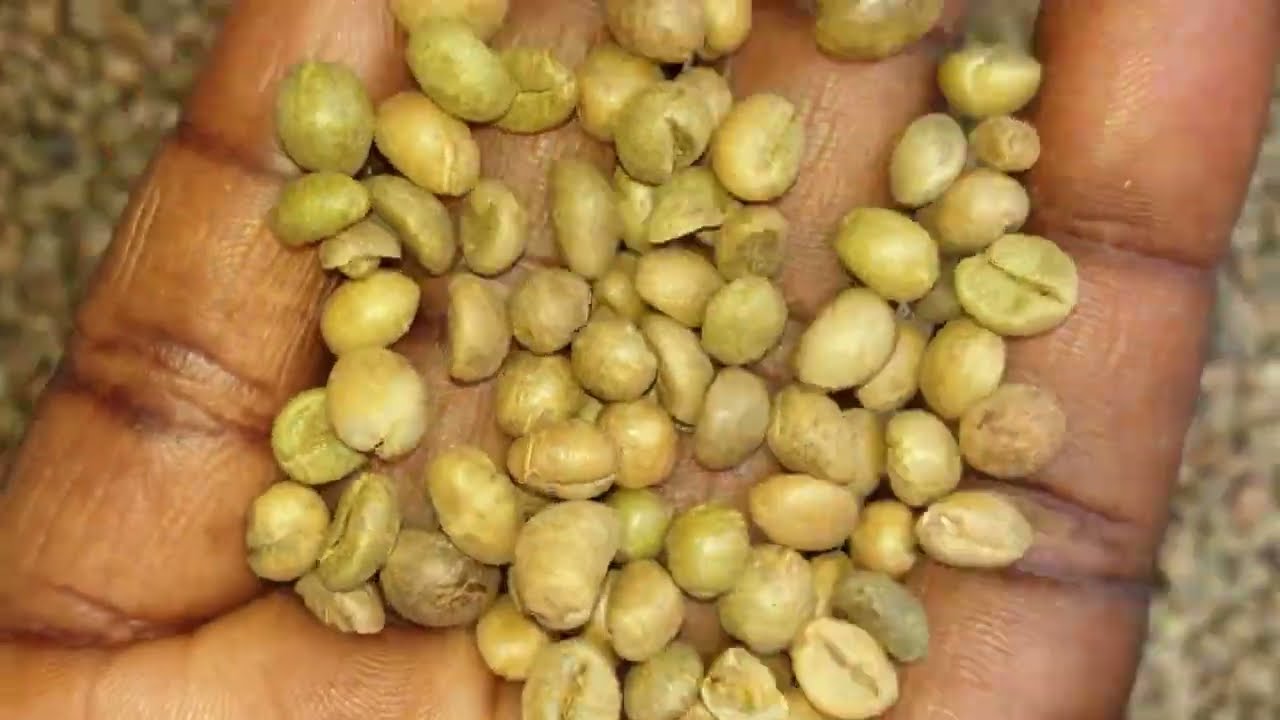
- Coffee beans: 250 g of green or raw coffee beans (Robusta is traditionally used for its strength).
- Djar: About 50g.
- Optional: A few cloves for even more aroma.
- Water: Pure boiling water.
- Sugar: Depending on your taste (Café Touba is traditionally eaten very sweet).
Instructions
1. Roasting (toasting the coffee):
- Place raw coffee beans in a dry skillet over medium-high heat.
- Stir constantly with a wooden spoon. As the beans heat, they will turn from green to brown, then to a deep, oily black.
- The aroma: Wait until the grains are dark and fragrant. Be careful not to let them smoke too much, but they should be a “dark roast” type.
2. Adding spices:
- Once the coffee beans are almost toasted, add the Djar and cloves in the pan.
- Grill everything together for another 2-3 minutes. This allows the heat to release the essential oils of the pepper, which will coat the coffee beans.
3. Grinding:
- Remove from heat and allow the mixture to cool slightly.
- Traditional method: Use a large mortar and pestle to grind the grains and spices into a fine powder.
- Modern method: Use a powerful coffee grinder. The smell at this stage is incredible!
4. Filtration (infusion):
- Place your coffee powder in a traditional cloth filter (or drip coffee maker).
- Pour the boiling water slowly over the grinds.
- Sala's technique: To obtain maximum strength, Senegalese preparers often take the coffee that has already flowed and pour it a second or third time over the grinding. This is called “recycling” the coffee to make it extra strong.
5. Mixing and foaming:
- Add the sugar to the hot coffee.
- The transfer: Pour the coffee from one container to another, holding the top container high. Repeat this gesture 4 or 5 times.
- This dissolves the sugar perfectly and creates a nice light foam on top.