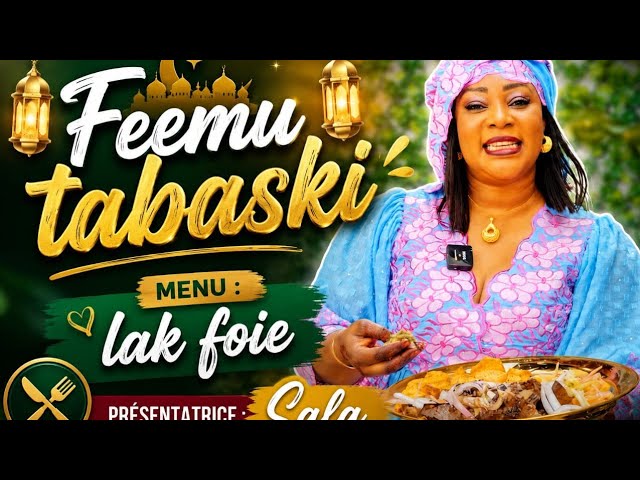
Tabaski (Eid el-Kébir festival) is one of the most intense and festive times of the year in Senegal. In this exhaustive video guide, Sala shares his entire organizational method to approach this day of celebration with serenity, rigorous hygiene and culinary mastery.
Logistics organization and workstations
Sala insists from the outset on anticipation: to avoid chaos after the sacrifice, it is imperative to prepare your equipment the day before. Rigorously sharpened butcher knives, clean cutting boards, large containers and disinfected basins must be ready.
It demonstrates the establishment of fluid circulation by distinct stations: a skinning and raw cutting station, a thorough washing station with lemon and salt water to sanitize and neutralize strong odors, and a seasoning and packaging station.
Cutting techniques, marinades and conservation
The video details the step-by-step method for harmoniously separating legs, shoulders, ribs and cutting offal without tearing the flesh. Sala explains which cut is best for direct grilling, baking, or simmering stews the following days.
She also reveals her secrets for making large volumes of festive marinades (*Nokoss*) ready in advance, and provides essential advice on portioning and quick freezing in order to preserve all the freshness and juiciness of the meat without any waste.
The keys to a successful Tabaski
- Impeccable hygiene: The salt and lemon water bath to perfectly purify each piece of meat.
- Controlled anatomical cutting: Knowing how to enhance each piece of lamb according to its ideal cooking.
- Anticipation of seasonings: Prepare your jars of Nokoss the day before to save precious time on the big day.
- Reasonable portion management: Package tightly for optimal storage in the freezer.